The decision between ceramic coating and wax usually starts with a simple goal: keep the paint looking rich, glossy, and easy to clean. The right choice depends on how you drive, how you store the car, and how much time you want to spend on upkeep. Once you look past buzzwords and marketing, the trade-offs are straightforward. Wax brings warmth and simplicity. Ceramic coatings bring durability, chemical resistance, and slickness that actually translates into easier washing week after week.
I have seen both options succeed, and both fail, depending on prep and expectations. Paint protection is less about a single hero product and more about a system that fits your vehicle and habits. Let’s unpack how each works, what they do well, and where common pitfalls live.
What wax really does, when it shines, and when it lets you down
Traditional carnauba wax has a reputation for that warm, deep glow. On darker colors, a premium carnauba blend can make metallic flake look wet on a sunny day. Polymer waxes or hybrid waxes stretch durability a bit, especially in cooler climates where UV and road salts are lower. The catch is that wax sits on top of the clear coat as a soft sacrificial layer. It does not crosslink with paint or add measurable hardness. You can refresh it as often as you like, but it wears, it evaporates, and detergents tug it off every wash.
Durability depends on conditions. A garaged weekend car can hold a nice wax look for 2 to 3 months with gentle maintenance. A daily driver that parks outside in heat or a salted winter may see protection and water behavior drop within 4 to 6 weeks. Modern spray waxes make refreshes fast, but they do not resist chemicals as well as coatings. Bird bombs, acid rain, and strong wheel cleaners can etch through wax quickly if not addressed right away.
There is another side to wax that keeps it relevant. If you enjoy hands-on care, wax rewards that rhythm. After a thorough wash and clay, a well-applied paste wax can be meditative. It also hides micro-marring slightly, which flatters older clear coats that are too thin for aggressive polishing. Wax is forgiving to apply and remove, needs minimal cure time, and plays well with most trim and PPF edges if you take care to avoid staining textured plastics.
How ceramic coatings work and why the prep matters
Ceramic coatings are typically SiO2-based liquids that bond to the clear coat and cure into a durable, thin film. Measured in microns, the thickness sounds trivial, but that crosslinked shell changes how the surface behaves. Water contact angles increase, so water does not spread and stick as easily. Road film has a tougher time clinging, and wash-induced marring drops when you use good wash technique. Coatings also add more chemical resistance than wax. Bird droppings still need prompt removal, yet the window to clean them without etching is often longer.
The upside shows in real numbers. A quality professional coating, paired with proper washing, often looks strong for 2 to 5 years. Some premium systems go longer, especially when paired with annual inspections and toppers. A consumer-grade DIY coating may honestly deliver 1 to 2 years before it needs serious rejuvenation. Lifespan claims hinge on the preparation of the paint below the coating, your maintenance, and climate.
Prep is not optional. The difference between a crisp, glossy coating job and a disappointing one usually comes down to paint correction. Coatings lock in what they sit on. If the paint is swirled, contaminated, or oxidized, the coating might add gloss, but it will not remove the defects you see under bright light. Proper exterior detailing involves washing, iron decontamination, clay, then machine polishing to remove or reduce defects. Even a one-step polish can jump gloss significantly. On soft paints like some Japanese brands, a fine polish on a DA machine can cut quickly. On harder German finishes, a compound step followed by a polish may be required. Then comes an IPA or panel wipe to clear oils before the coating. Skipping these steps is how people end up saying coatings are overhyped.
Xtreme Xcellence Detailing on the biggest decision point: use patterns
At Xtreme Xcellence Detailing, the conversation always starts with how the car lives. A highway-commuting hatchback that parks under trees wants different protection than a garaged convertible that sees 2,000 miles a year. We map the use pattern, then match protection to the owner’s appetite for maintenance. If a client loves a Saturday wash and wax, we do not force a coating. If that client dreads washing and wants fewer deep cleans, a coating begins to make sense.
In the bay, we also weigh paint condition honestly. If the clear coat measures thin or has prior resprays, we tailor the level of paint correction to preserve clear coat life. No protection solves thinning paint. A mild polishing pass, then a modern wax or a gentle coating with minimal solvents, may be the smart move to protect what is left rather than chase a mirror finish that costs too much clear coat.
Coatings, wax, and the role of paint sealants
Polymer sealants sit in the middle. They are synthetic, easy to apply, and usually last 3 to 6 months. They are great for drivers who want better longevity than wax without the commitment of a ceramic coating. If you have never tried a coating and feel unsure about prep, a sealant season is a good test. You’ll learn how a slicker surface changes washing and whether you appreciate longer intervals between reapplications.
Some modern products blend SiO2 into a spray sealant. They are not true ceramic coatings in the crosslinked sense, but they layer on coated or bare paint to boost hydrophobics. For someone who enjoys routine auto detailing at home, these hybrids are a low-risk way to build confidence.
The time and money calculus
Think in terms of hours per year, not only dollars. A wax routine might mean a full detail every month or two. Counting wash, decon, and wax, that is 2 to 4 hours each time, more during fall or pollen season. A coating front-loads the work: paint correction, panel preparation, install, and cure. After that, maintenance washes go faster, and you can skip the long wax sessions. Over two to three years, the saved hours add up, especially for busy schedules.
On the money side, a professional coating with proper paint correction costs more upfront. But if you typically buy several premium waxes, decon products, and spend for periodic machine polishing to revive gloss as wax wears, the gap tightens. For some owners it never narrows, because they enjoy the routine and do the work themselves. For others, especially daily drivers in harsh climates, the coating saves clear coat and labor, which is worth the initial price.
Maintenance differences you actually feel
Daily reality matters more than lab claims. Waxed cars look great right after application, then need more frequent deep cleans as contamination builds. Coated cars repel grime better, so contact washes require fewer passes, which reduces the risk of swirls. The slick feel helps road film release during a pressure rinse. Wheels, which see the worst brake dust and heat, benefit tremendously from a coating. Even a dedicated wheel coating or a high-temp sealant pays off in faster, safer wheel cleaning.
You still need proper wash technique. A pH-neutral shampoo, a clean mitt, and a two-bucket approach prevent micro-marring. On coated vehicles, use a decon wash or an iron remover a few times a year, then refresh with a compatible topper to restore slickness when you notice drag. With wax, be ready to reapply more often after harsh weather or aggressive washes.
Where paint protection film fits
Neither wax nor ceramic coating stops rock chips. That is the domain of paint protection film. PPF adds a thicker urethane barrier over impact zones like front bumpers, hoods, and mirrors. Many owners choose a blended approach: PPF on the front, then a ceramic coating over the film and remaining paint. Coating on PPF adds slickness and stain resistance, but it will not harden the film. If you drive in construction zones, on gravel, or have sticky summer tires that throw debris, PPF plus coating is hard to beat. Wax over PPF is fine, but it will not reduce cleaning time the way a coating does.
Real-world scenarios that break the tie
A black sedan parked on a windy coastal street takes salt spray and sandy dust all week. Wax brings warmth but burns off fast in sun and wind. A ceramic coating provides better UV and chemical resistance, and more importantly, faster rinses that encourage frequent, low-effort washes. That sedan almost always benefits from coating.
A garage-kept classic that sees Sunday drives may suit wax beautifully. The owner enjoys the ritual, wants that carnauba glow, and does not need months of high beading. If the paint is original and thin, aggressive paint correction is risky, which also argues for a gentle wax or sealant routine rather than a heavy correction before coating.
A work truck that runs dirt roads would seem like a wax candidate because it gets beat up anyway. But in practice, coatings save time here. Mud and clay release quicker. Wash water dries cleaner. Even if the truck picks up chips and scratches, the coating pays dividends on every cleanup.
RV detailing faces its own challenges. Large surface area, constant sun exposure, and high ladders make frequent waxing impractical. A durable coating on gelcoat or painted panels simplifies maintenance and slows oxidation. The prep is more laborious, but the payoff is significant over a long touring season.
The role of car polishing and paint correction before any protection
Protection layers magnify the quality of your base. If you want a flat, high-gloss finish, plan on car polishing. Light swirls and toweling marks disappear with a fine polish. Deeper defects need a compound, then a refining step. Marring varies by paint system. Subaru, Honda, and some American models often have softer clears that correct quickly. Audi and BMW tend to run harder. Repainted panels behave unpredictably, which is one reason experienced techs measure paint and carry multiple pad and polish combinations.
If you choose wax, you can get away with less rigorous correction because wax fills slightly and is easy to refresh. If you choose a ceramic coating, do the correction right. That does not always mean a multi-day correction. It means the appropriate correction for the paint’s condition and thickness. A one-step polish on a dual-action polisher can raise gloss dramatically and remove the haze that makes dark paints look gray in sunlight.
Xtreme Xcellence Detailing: what we see after the install
Across hundreds of vehicles, Xtreme Xcellence Detailing notices a pattern. Coated cars come back with fewer new wash swirls, even when the owner washes at home. That is not magic. It is lower friction, fewer passes needed, and better release of grit during the rinse. Conversely, waxed cars tend to come back glossier right after reapplication but show more variable protection month to month. Owners who stick to consistent wash technique and use good drying towels keep either option looking sharp, but the margin of error is larger with wax.
We also track how coatings age. Urban drivers who park street-side under trees benefit from quarterly decon and a compatible topper. Suburban drivers who garage their cars can stretch that to twice a year. Road salt shortens all timelines. A flexible maintenance plan beats a fixed calendar, so we adjust based on water behavior, tactile feel, and visual inspection under proper lighting.
Myths that get in the way
Coatings are not bulletproof. They reduce swirl risk, they do not make paint scratch-proof. They resist chemicals better, they still need timely cleanup after bird droppings and bug splatter. Another myth says coatings eliminate washing. In fact, coatings work best when you wash more often, not less, because gentle, frequent washes prevent heavy buildup that forces aggressive scrubbing.
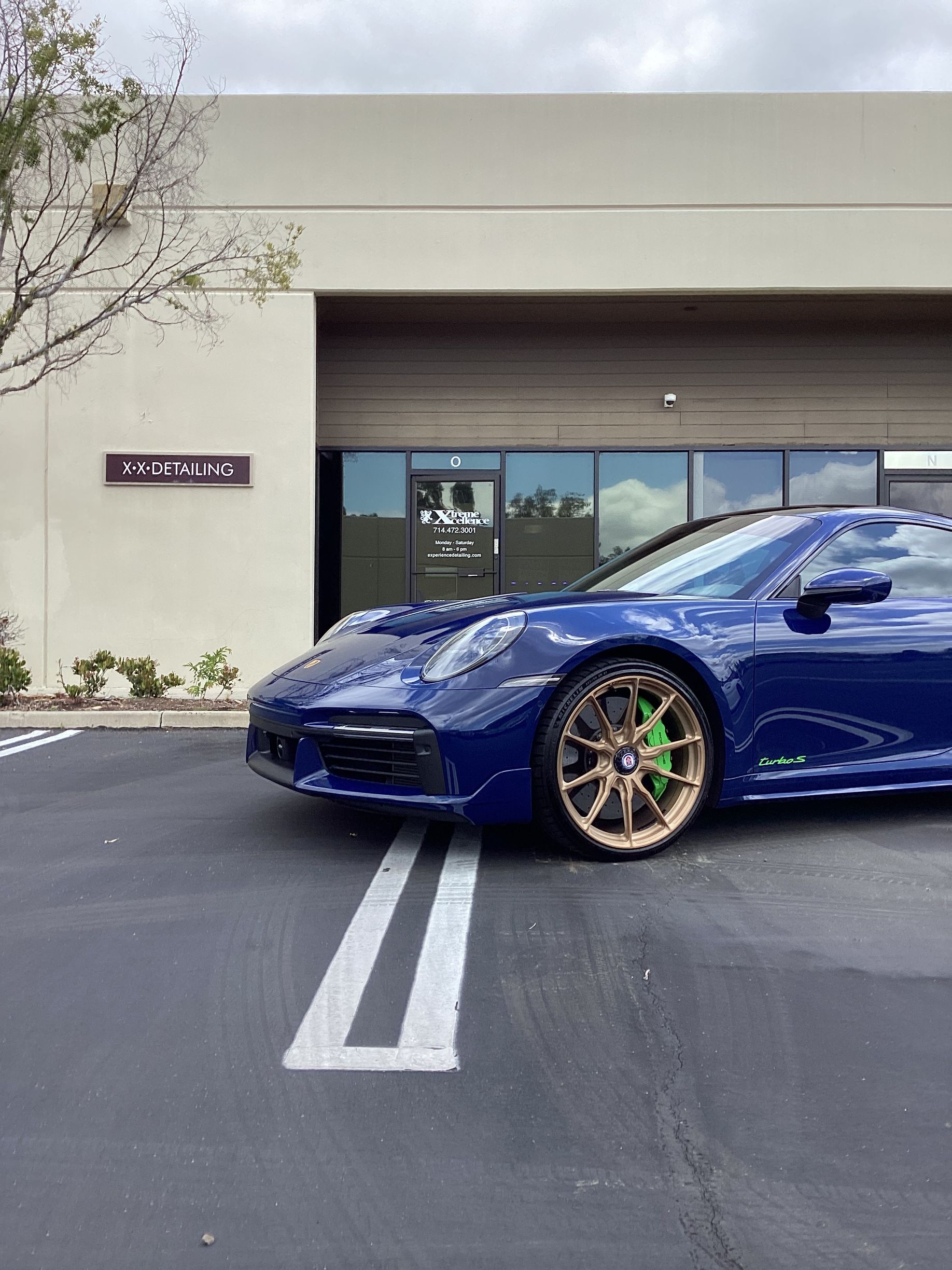
Wax is not old tech that belongs in the bin. Warmth, ease of use, and the option to lightly mask micro-defects still matter. For owners who like hands-on care, wax remains satisfying and effective, especially when you stack seasonal protection with a solid sealant base.

A simple decision checklist
- You want lower maintenance, faster washing, and stronger chemical resistance for 2 to 5 years: lean ceramic coating. You enjoy regular hands-on care with a warm glow on show days: lean premium wax or a polymer sealant. You drive in harsh environments or park outside year-round: ceramic coating or PPF plus coating for impact zones. Your paint is thin, older, or partly repainted: minimize heavy correction, then use a gentle coating or high-quality sealant and wax. You prefer DIY with minimal risk and cost: start with a sealant or a spray SiO2 topper, then reassess.
Maintenance habits that protect either choice
- Use a pH-neutral shampoo, clean mitt, and two-bucket method. Pre-rinse thoroughly, and use a foam pre-wash when contamination is heavy. Dry with a clean, plush towel and light pressure, or use a blower. Decon lightly with iron remover a few times a year, more often in salted climates. Top with a compatible spray sealant to restore slickness when water stops sheeting or beading well.
Edge cases: matte finishes, wraps, and sensitive paints
Matte or satin finishes should not be polished to gloss. Choose protection designed for matte paint to preserve the texture. Many coatings have matte-safe versions that add stain resistance without altering sheen. Vinyl wraps accept coatings as long as the product is wrap-safe. On textured PPF, select a coating recommended by the film manufacturer to avoid clouding.
Some paints are unusually grabby or soft. Toyota black can mar if you breathe on it wrong. For these, a coating helps reduce wash-induced swirls, but preparation must be gentle, with extremely soft pads and finishing polishes. On paint protection film grabby paints, even the panel wipe can haze if you rub too hard. Let solvents flash, change towels often, and inspect each section under a proper light.
Interior detailing is part of the paint protection story
It sounds unrelated, but a clean interior reduces rushed washes. When the cabin is tidy, owners take their time on the exterior. Interior detailing also keeps silica dust and dressings from migrating to paint during drying or driving. If you are coating a vehicle, schedule the interior on a different day or before the coating so you are not misting dressings around fresh hydrophobic surfaces.
When DIY makes sense and when to hire a pro
A wax routine is easy to learn. A basic one-step polish and a polymer sealant are also well within reach for careful DIYers. A single-layer DIY ceramic coating can work beautifully if you respect the prep, control lighting and temperature, and keep panels small. The risks are mostly in high-spotting or locking in defects that better lighting would have revealed.
Multi-layer professional coatings, heavy paint correction, and complex vehicles with lots of trim are better in experienced hands. If you see sanding marks from a prior body shop repair, or you are chasing RIDS that peek through a one-step polish, a professional assessment protects your clear coat and your sanity.
How Xtreme Xcellence Detailing approaches coating installs
Control of variables is the difference between average and excellent results. We stabilize shop temperature and humidity, correct the paint to an agreed level, then break the car into tight zones for application. Each panel gets two sets of eyes under mixed lighting, because some high spots are visible under LEDs and others under warmer light. We finish with an initial cure window that matches the product, then advise the owner on the first wash window and early maintenance. When we later apply a topper, we verify water behavior across each panel, not just the hood, because roofs and verticals often age differently.
So, which one is best?
Best is about fit. If your car lives outside, if you want easier washes, and if you prefer to protect the clear coat over years rather than months, a ceramic coating is the stronger tool. If you love working on your car, if you keep it garaged, and if you appreciate the unique warmth that a carnauba-heavy formula brings to darker colors, wax still earns its place. Sealants bridge the gap and let you test what you value most with little risk.
For anyone splitting hairs, consider a blended approach. PPF on the front clip where impacts happen, a ceramic coating over paint and film for uniform maintenance, and a light topper as needed. Reserve wax for special occasions if you crave that particular glow. Tie it all together with careful washing, periodic decon, and sensible car polishing that respects clear coat thickness.
Good paint protection is not a single product. It is a match between the paint, the environment, the maintenance rhythm, and the owner’s eye. Get those aligned, and either choice can look brilliant for a long time.
Xtreme Xcellence Detailing
23561 Ridge Rte Dr # O, Laguna Hills, CA 92653
(714) 472-3001
FAQs About Car Detailing & Paint Protection
How often should you service your car?
Regular car servicing is typically recommended every 5,000 to 7,500 miles or every 6 months, depending on your vehicle and driving conditions. In areas like Laguna Hills, CA, frequent driving and sun exposure make routine maintenance especially important.
What is the difference between waxing and ceramic coating?
Waxing provides a temporary layer of protection that lasts a few weeks to a couple of months, while ceramic coating offers long-lasting protection for several years. Ceramic coatings bond with your vehicle’s paint, delivering superior durability, gloss, and resistance to contaminants.
Is paint protection film worth it?
Yes, paint protection film (PPF) is a great investment for preserving your vehicle’s exterior. It provides a durable, transparent layer that protects against rock chips, scratches, and road debris, helping maintain your car’s value and appearance.
How long does a full car detailing take?
A full car detailing service typically takes between 3 to 8 hours, depending on the vehicle’s size, condition, and the level of service required. More advanced services like paint correction or ceramic coating may require additional time.
How often should I get my car detailed?
For optimal results, it’s recommended to have your car detailed every 3 to 6 months. This helps protect your vehicle from environmental damage and keeps it looking its best year-round.
Does ceramic coating eliminate the need for washing?
No, ceramic coating does not eliminate the need for washing, but it makes cleaning much easier. Dirt and grime have a harder time sticking to the surface, allowing for quicker and more effective maintenance washes.